

You’ve probably noticed more ads popping up about pre-construction homes lately, hinting at lower prices and promising “better deals.” These ads are not random and before you decide to buy a pre-construction property, you should understand the “why” behind these better deals.
Deflation, a rare economic condition, is the biggest reason behind rate drops. It doesn’t happen as often in a developed country like Canada because the economy is stable. Property prices, including pre-construction, is one of the first to be impacted. We’ve seen prices drop $80,000 to $100,000 in just the past few months.
Let’s explore what deflation means, how it affects pre-construction real estate, and whether now is the right time to invest in a new property.
What is Deflation?
Deflation is an economic situation that occurs when the general price level of goods and services falls. In simple terms, it increases the purchasing power of your money because things become cheaper. While that sounds great for consumers, deflation often means economic trouble. Reduced spending, lower wages, and job losses are few of the negative impacts of deflation.
On the other hand, for pre-construction properties, deflation could suggest lower prices, but the full picture is much more complicated. It affects your ability to secure mortgages and make selling a property difficult.
Inflation and Deflation in Canada
Canada has experienced inflationary pressures over the last few years, but the trend is shifting. As of September 2024, Canada’s inflation rate is at 1.95%, a significant drop from 3.40% earlier in the year.
Inflation rate declined because consumers were spending less, which eased supply chain issues that were prominent just two years ago. Some provinces will be affected more than others because it’s dependent on demand and supply. Same goes for industries.
How Deflation Affects Pre-Construction Real Estate?
Since pre-construction properties are priced 20-30% higher than market price, they are the first industry to get affected. People want to spend less money and will either purchase a resale or wait for prices to drop even more.
Because of decreased interest, builders drop prices or offer more monetary incentives. While currently you see several discounted projects, some builders might postpone project releases if they won’t profit from them right now.
Building homes is an expensive process and only 70% is funded by loan. If they drop prices before starting a project, it shrinks their loan capacity. That’s no longer a lucrative business for builders, so they’ll rather wait for market conditions to be better than build a property and take a loss.
On the other hand, for buyers, a decline in prices might seem like a deal. However, deflation makes the long-term value of your investment less predictable. Developers might cut costs, which in turn affects the quality and timeline of construction.
How Deflation Affects Mortgages?
Deflation raises the real value of debt, which means your mortgage could become harder to pay off over time. If deflation continues, the purchasing power of your income increases, but the amount you owe on your mortgage stays the same, making it feel more expensive in real terms.
To explain in simple terms, there’s a possibility that your income might stagnate or even decrease. Mortgage amount that you need to pay off stays the same, so at one point it’ll feel like you’re paying too much.
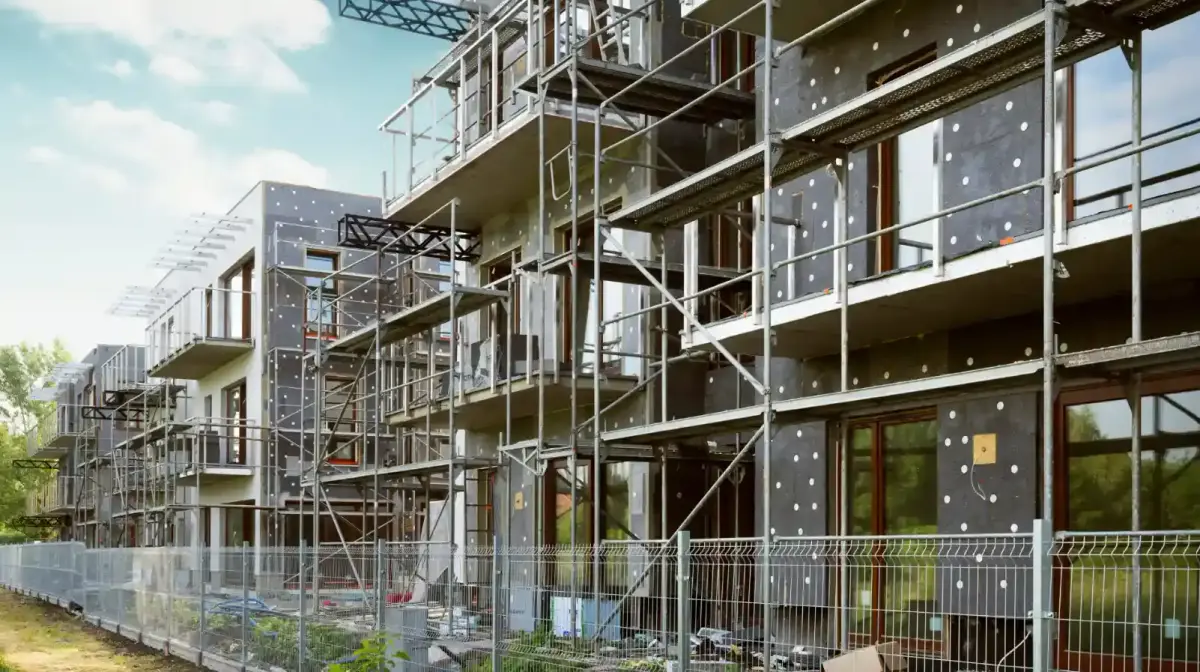
Is Now the Right Time to Buy Pre-Construction?
The best time to buy a pre-construction property is when it makes financial sense to you. What is your current risk tolerance? How much money are you okay losing?
We all know that pre-construction is a risky investment. Projects take 2-5 years to complete and until then you get a break from monthly mortgage payments. Once it is time to apply for a mortgage, you should meet lender requirements and have some change to cover closing costs.
However, if you’re uncertain about future income or worried about economic instability, waiting for a better market is the wiser choice.