

Reading ‘Your mortgage application has been denied’ is terrifying when you’re about to close on your pre-construction condo. In this scenario, your pre-construction property was worth less than the builder priced it. Mortgage lenders will not approve any properties where they feel you’re overpaying, no matter if you qualify for the amount or not.
You feel the panic set in. You might immediately think of ways to get out of it. Do you sell the condo for a loss? Do you forego thousands in deposit if the builder doesn’t agree to close? Before panic sets in, read our blog on what happens next and your options.
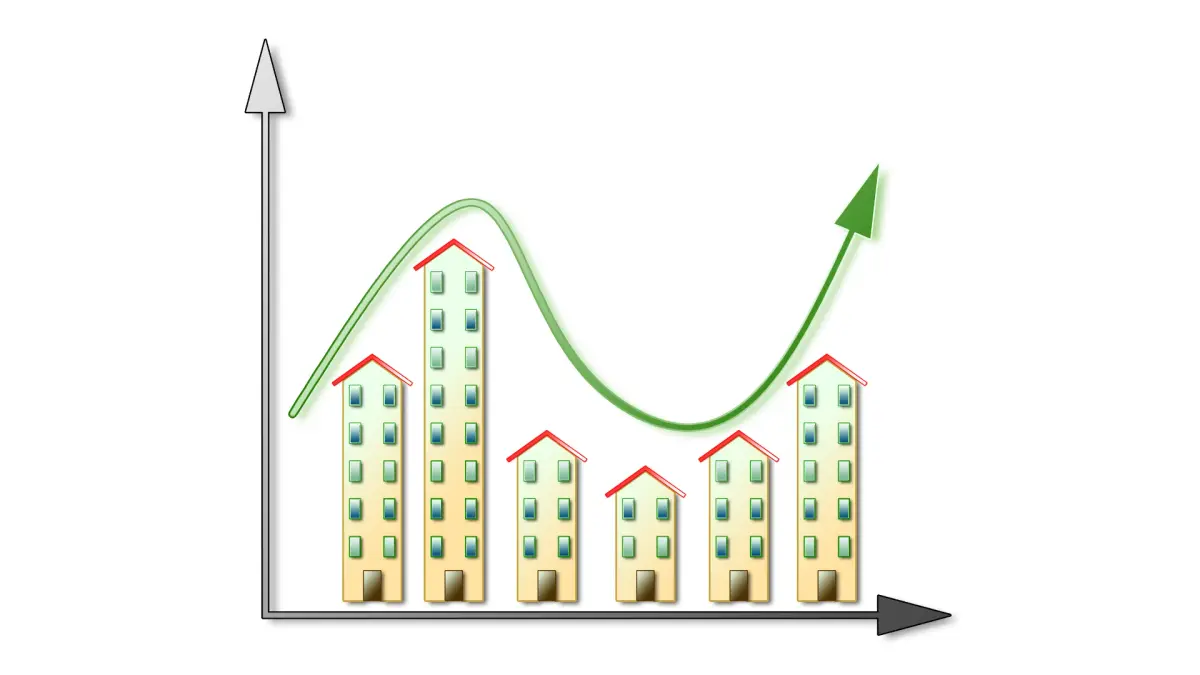
Reality of Market Fluctuations
We’ve all seen the real estate market in Canada fluctuate overnight these last few years. Pre-construction units are priced based on the builder’s estimate of their value at closing. But sometimes, the market doesn’t perform as expected. It could be economic downturns, changes in interest rates, or shifts in demand that decrease your pre-construction unit’s property.
Is Canada’s high interest rate to blame?
The answer is not so simple. In any market, when interest rates are high, the real estate market remains stable or dips a bit. That’s because a higher rate reduces affordability and makes it difficult to get approved for all kinds of loans, including a mortgage.
We saw this happen in 2022 and 2023. At the same time, there’s no fixed closing date for pre-construction. Projects get delayed by a few months or a year and during that time market conditions can change.
What Does It Mean When Your Property is Worth Less?
When your pre-construction property is worth less than what you paid, it essentially means that if you were to sell it immediately after closing, you would likely incur a loss. The difference between what you paid and the current market value is sometimes referred to as “negative equity.”
Negative equity can also affect your financing. If you were pre-approved a few months or years ago, your mortgage lender will reassess the situation. At this stage, you accept a smaller mortgage and find funds to pay the difference.
You have two options at this stage: accept a smaller mortgage and find funds to pay the difference or refuse to finance the purchase and give the unit back to the builder. If you choose the second option, you will not receive any deposit paid back. For example, if you agreed to purchase a pre-construction condo for $500,000 but the property appraises at $450,000, your lender might only finance 80% of the $450,000, leaving you responsible for the remaining $50,000 plus the difference of $50,000 out of pocket.

What Are My Options When Facing Negative Equity?
1. Negotiate with the Developer
The developer might be willing to renegotiate the purchase price or let you walk away from the deal with minimal penalties and give most of the deposit back. Some developers might offer incentives or upgrades to keep the deal intact.
2. Walk Away from the Deal
Some pre-construction agreements include a clause allowing buyers to walk away under certain conditions, though often with penalties. If the loss is too significant, you might consider forfeiting your deposit and cutting your losses. Keep this as your very last option as you’ll end up losing your entire deposit.
3. Find Additional Financing
These options include tapping into personal savings, borrowing from family, or securing a secondary loan to cover the gap. While these aren’t ideal options, you’d be able to close the deal, hold the ownership until the market grows and then sell at break even or even for a profit.
4. Sell the Property at a Loss
While no one wants to sell for less than they paid, sometimes cutting your losses early can prevent further financial strain. It’s easier to accept a loss of $10,000 to $50,000 than risk missing mortgage payments and having the bank take your unit.
This kind of sale is called assignment sale and works quite differently than a traditional resale. Through this you’ll be able to keep some of your profit. If you’d like more details, please send us a message!
5. Hold and Wait
Real estate markets can be cyclical. If you can afford to, hold onto the property until the market improves. Over time, either the market condition will improve or your property’s value will increase.
6. Get A Co-Signer
If you purchased the unit as an investment or for rentals, a co-signer, whether it is a friend or a professional contact, might be your best option. You not only split costs for mortgage payments and monthly costs, but also split the responsibilities of being a landlord.
For more pre-construction advice, follow That Pre-Construction Guy.