
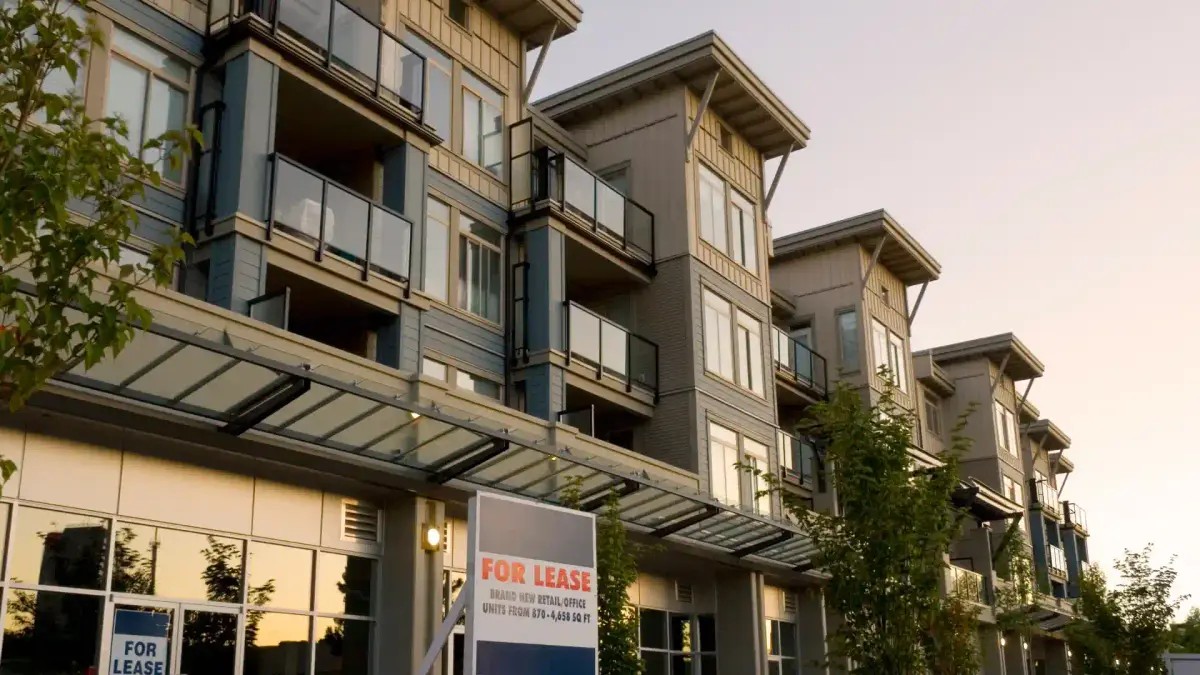
If you’re about to purchase your first pre-construction condo in Ontario, you’ve come to the right place.Most buyers overlook the conditions of ‘Right to Lease’ and ‘Interim Occupancy,’ which causes major issues later.
Let’s break down what Interim Occupancy really means, what obligations come with it, and some factors you should keep in mind if you’re considering renting during interim occupancy.
What is Interim Occupancy?
Interim occupancy is when your condo is built but before the building is officially registered. Your condo is still under your builder’s ownership. It’s usually when only a few floors are left to be built and the builder wants extra funds to finish them. Unfortunately, it is a mandatory phase where owners of finished units have to pay a monthly fee that doesn’t contribute to your down payment or mortgage.
This period can last anywhere from a few months to a year or more. During interim occupancy, you get the keys to your condo and can live in it. If the builder offered you a ‘Right to Lease’, you can rent it out as per usual leasing laws. Whether you choose to live, rent, or not, you still have to pay occupancy fees.

Why are Occupancy Fees Compulsory?
Your condo’s developer is giving you the privilege of living in the unit before you officially own it. These fees cover things like:
- Interest on the unpaid balance of your purchase price
- Estimated (prorated) property taxes
- Maintenance fees of amenities
Is There a Way to Lower Occupancy Fees?
While lower these fees is usually tricky, here are some ways that are under your control:
1. Pay a higher deposit
Since a portion of occupancy fees is calculated based on the unpaid balance of your purchase price, make 10-20% over the needed deposit towards the end.
2. Rent out your unit
Use the ‘Right to Lease’ perk to your benefit and rent out your condo unit. It might not cover all the occupancy fees but gives a much needed relief.
3. Check for developer delays
If you can prove the developer’s responsible for delays, you can even ask them to refund a portion of the occupancy fees.
4. Negotiate if amenities aren’t completed yet
If all amenities aren’t built yet, you can easily negotiate your way out of paying a portion of the fees.
Do I Need To Apply for the Right to Lease Program?
Yes, you need to specifically apply for your ‘Right to Lease’ when buying a pre-construction condo in Ontario. Your real estate agent should be able to help you prepare the needed documents and help you rent out the unit. Some developers may charge an administrative fee for this privilege, so make sure to read through the purchase agreement before signing it or during the 10-day cooling period.

What Obligations Should Be Fulfilled as Landlord and Tenant?
Landlord obligations:
Your responsibilities as a landlord are quite straightforward, similar to those established by the Landlord and Tenant Board. They include:
1. Compliance with the developer’s rules, especially if there are restrictions specific to interim occupancy.
2. Just like with any other rental, as the landlord, you must make sure the unit is liveable. By that we mean that it has running water, electricity, and heat.
3. Honouring the lease agreement as created by Ontario’s Residential Tenancies Act (RTA). This means you can’t charge more than one month’s rent for a deposit and the terms of the lease should be clear and enforceable.
4. You must have the right property insurance as most don’t cover damages or liability caused by tenants.
Tenant obligations:
1. Tenants must follow all rules and regulations set by the condo board or developer, including use of amenities, guest policies, and noise regulations.
2. Must pay rent on time.
3. Should report any maintenance issues or damages to the landlord immediately.
7 Factors to Consider While Renting During Interim Occupancy
Renting out an interim occupancy condo needs you to follow a few extra rules. Make sure you are prepared. Here are some things to consider:
1. Developer Restrictions
Some developers impose a limit on how many condos can be leased during interim occupancy to prevent too many non-owner occupants. In simple words, it works on a first-come, first-serve basis. If your developer has these restrictions, it’s best to check in during the construction phase.
2. Market Demand
Interim occupancy fees are higher than the average monthly mortgage payments or rent. If your area is in demand, you’ll have no problem renting at a slightly higher rate. However, if the market’s slow and has too many vacant units, you’ll have to give $200 to $500 in monthly discounts. Otherwise, the whole fee comes right out of your pocket.
3. Lease Term
Once the building registers, you may need to renegotiate the lease or terminate it. Keep the lease terms flexible, so it’s a win-win for you and your tenant. And that’s we recommend to add a clause that allows either party to exit the lease once interim occupancy ends.
4. Additional Costs
Things like property management services, repair costs, and insurance quickly add up, so make sure to make the payments on time. Find tenants who appreciate cleanliness, safety, and will take care of your condo like it’s theirs!
5. Tenant Vetting
While the right to lease during interim occupancy can provide income, the last thing you want is a tenant who causes damage or violates condo rules. Remember, you’re ultimately responsible for your tenant’s behaviour during this time.
6. Legal Considerations
You don’t want to find yourself in legal trouble for non-compliance. Hire a lawyer to review your lease if you’re unfamiliar with the rules.
7. Exit Strategy
Will your tenant stay on after registration, or will you list the unit for sale? No matter how much you plan it’ll never be enough, so plan for every obstacle, issue, and wrongdoing.
Looking for pre-construction condos in good neighbourhoods with ‘right to lease during interim occupancy’? Let’s explore your options together. Let’s make the most of your investment!